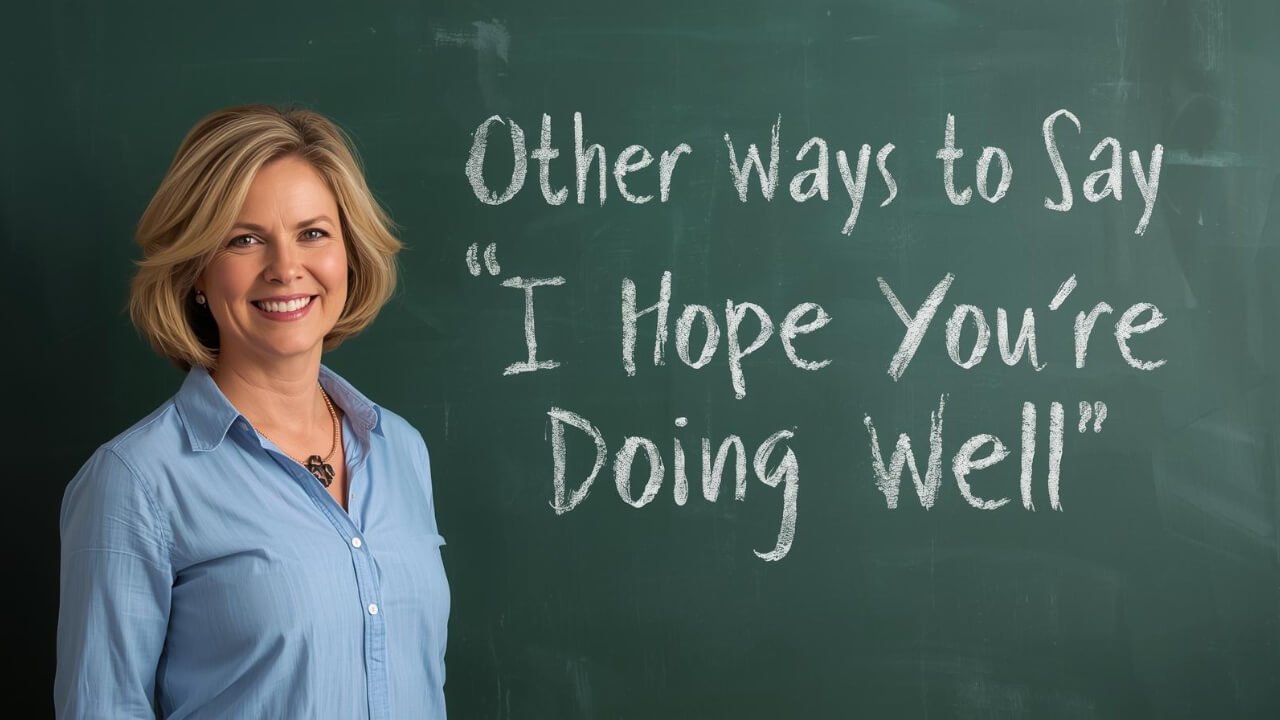

When searching for other ways to say i hope you’re doing well, it helps to understand how this phrase works in emails, messages, professional communication, and friendly conversations. It is often used as a polite opening to show care, respect, warmth, and positive intention before moving into the main message.
This expression is common because it feels gentle and familiar, but using it too often can make your writing sound repetitive. Choosing better alternatives can improve your tone, relationship building, message flow, and communication style.
A thoughtful greeting can set the mood for the whole conversation. Whether you are writing to a coworker, client, teacher, friend, or family member, the right phrase helps your message feel natural, respectful, and sincere.
Table of Contents
ToggleWhat Does “I Hope You’re Doing Well” Mean?
The phrase “I hope you’re doing well” means you are expressing a polite wish that someone is in a good state, feeling fine, or managing life positively. It shows kindness, concern, and friendly attention without being too personal.
In writing, it usually appears at the beginning of a message. It helps soften the tone and creates a smooth opening before asking a question, giving an update, or starting a discussion.
Common Situations Where “I Hope You’re Doing Well” Is Used
This phrase is useful in many personal, formal, and professional situations because it sounds polite and easy to understand.
• In emails before making a request
• In messages to reconnect with someone
• In professional notes to sound respectful
• In friendly conversations to show care
• In follow up messages after a long gap
• In formal writing to create a warm opening
Is It Professional or Polite to Say “I Hope You’re Doing Well”?
Yes, “I hope you’re doing well” is professional and polite. It works well in business emails, academic messages, formal notes, and general communication. However, it can feel overused if every message starts the same way.
For a more polished tone, you can use alternatives like “I hope all is well”, “I trust you are doing well”, or “I hope this message finds you well”. For warmer messages, phrases like “I hope life is treating you kindly” or “I hope your week is going smoothly” can feel more personal.
Pros and Cons
Pros
It creates a polite opening before the main message.
It shows care and respect in a simple way.
It works in both formal and friendly communication.
It helps make written messages feel more human.
Cons
It can sound repetitive when used too often.
It may feel too general in personal conversations.
It does not always match urgent or direct messages.
It can sound less natural if the relationship is very close.
“I Hope You’re Doing Well” Synonyms:
Explore these meaningful alternatives to “I hope you’re doing well”:
• I hope all is well
• I trust you are doing well
• I hope this message finds you well
• I hope you are having a good day
• I hope your week is going smoothly
• I hope everything is going well
• I hope life is treating you kindly
• I hope you are keeping well
• I hope things are going well for you
• I hope you are feeling good
• I hope you are staying well
• I hope your day is going nicely
• I hope you are having a pleasant week
• I hope everything is fine with you
• I hope you are doing great
• I hope you are in good spirits
• I hope your morning is going well
• I hope your evening is peaceful
• I hope you are safe and well
• I hope you have been well
• I hope things are peaceful on your side
• I hope your day has been kind to you
• I hope everything is moving smoothly
• I hope you are enjoying a good week
• I hope you are feeling positive today
• I hope your schedule is treating you well
• I hope you are having a calm day
• I hope your work is going smoothly
• I hope you and your family are well
• I hope you are managing everything well
• I hope you are having a productive day
• I hope your month is going well
• I hope you are well and happy
• I hope everything is good on your end
• I hope you are taking care of yourself
I Hope All Is Well
Meaning: A simple way to wish that things are fine.
Explanation: This phrase is short, polite, and suitable for many messages.
Example: “I hope all is well. I wanted to ask about the meeting update.”
Best Use: Professional and friendly emails.
Worst Use: Very emotional messages.
Tone: Polite and neutral
I Trust You Are Doing Well
Meaning: A formal way to express care.
Explanation: This sounds more polished and works well in professional communication.
Example: “I trust you are doing well. Please find the details below.”
Best Use: Formal emails.
Worst Use: Casual chats.
Tone: Professional
I Hope This Message Finds You Well
Meaning: A traditional formal greeting.
Explanation: It gives the message a respectful opening before the main point.
Example: “I hope this message finds you well. I am writing about the report.”
Best Use: Formal writing.
Worst Use: Very short messages.
Tone: Formal and respectful
I Hope You Are Having a Good Day
Meaning: A warm wish about someone’s day.
Explanation: This feels friendly and natural without sounding too formal.
Example: “I hope you are having a good day. I wanted to share an update.”
Best Use: Friendly workplace messages.
Worst Use: Serious notices.
Tone: Warm and polite
I Hope Your Week Is Going Smoothly
Meaning: A wish for an easy and steady week.
Explanation: It works well when writing during the middle of the week.
Example: “I hope your week is going smoothly. I wanted to follow up.”
Best Use: Follow up messages.
Worst Use: Weekend messages.
Tone: Friendly and professional
I Hope Everything Is Going Well
Meaning: A general wish for positive circumstances.
Explanation: This phrase is flexible and fits many personal or formal messages.
Example: “I hope everything is going well. I have a quick question.”
Best Use: General communication.
Worst Use: Highly formal reports.
Tone: Neutral and kind
I Hope Life Is Treating You Kindly
Meaning: A caring wish for someone’s overall life.
Explanation: This sounds personal, gentle, and emotionally warm.
Example: “I hope life is treating you kindly. It has been a while.”
Best Use: Personal messages.
Worst Use: Strict business emails.
Tone: Warm and sincere
I Hope You Are Keeping Well
Meaning: A polite wish for health and wellbeing.
Explanation: This is calm, respectful, and often used in formal writing.
Example: “I hope you are keeping well. I wanted to check in.”
Best Use: Professional or respectful messages.
Worst Use: Very casual chats.
Tone: Polite and caring
I Hope Things Are Going Well for You
Meaning: A friendly wish for someone’s situation.
Explanation: It sounds natural and works well when reconnecting.
Example: “I hope things are going well for you. I wanted to reach out.”
Best Use: Reconnection messages.
Worst Use: Urgent requests.
Tone: Friendly
I Hope You Are Feeling Good
Meaning: A wish focused on someone’s mood or health.
Explanation: This sounds direct, kind, and personal.
Example: “I hope you are feeling good today. I wanted to share something.”
Best Use: Close or caring messages.
Worst Use: Formal business writing.
Tone: Gentle and personal
Read Also:
Other Ways to Say “I Am Excited”
I Hope You Are Staying Well
Meaning: A wish that someone remains healthy and fine.
Explanation: This phrase is respectful and clear.
Example: “I hope you are staying well. Thank you for your last message.”
Best Use: Formal and semi formal notes.
Worst Use: Very relaxed conversations.
Tone: Caring and polite
I Hope Your Day Is Going Nicely
Meaning: A wish for a pleasant day.
Explanation: It adds a soft and friendly feeling to your message.
Example: “I hope your day is going nicely. I wanted to ask for your opinion.”
Best Use: Friendly messages.
Worst Use: Serious complaints.
Tone: Pleasant
I Hope You Are Having a Pleasant Week
Meaning: A wish for a good week.
Explanation: This sounds more graceful than a basic greeting.
Example: “I hope you are having a pleasant week. I wanted to send this update.”
Best Use: Professional emails.
Worst Use: Quick text messages.
Tone: Polished and friendly
I Hope Everything Is Fine With You
Meaning: A simple wish that all is okay.
Explanation: This works best when you want a clear and caring opener.
Example: “I hope everything is fine with you. I wanted to check the details.”
Best Use: General messages.
Worst Use: Very formal documents.
Tone: Simple and kind
I Hope You Are Doing Great
Meaning: A more energetic version of the phrase.
Explanation: It sounds positive and upbeat.
Example: “I hope you are doing great. I have some good news to share.”
Best Use: Friendly communication.
Worst Use: Serious formal writing.
Tone: Bright and casual
I Hope You Are in Good Spirits
Meaning: A wish that someone feels positive.
Explanation: This phrase focuses on mood and emotional state.
Example: “I hope you are in good spirits. I wanted to send a quick note.”
Best Use: Warm personal messages.
Worst Use: Technical emails.
Tone: Thoughtful
I Hope Your Morning Is Going Well
Meaning: A greeting for the start of the day.
Explanation: This is useful when sending a message early.
Example: “I hope your morning is going well. Here is the update.”
Best Use: Morning emails.
Worst Use: Evening messages.
Tone: Fresh and polite
I Hope Your Evening Is Peaceful
Meaning: A gentle wish for calm later in the day.
Explanation: This sounds soft and personal.
Example: “I hope your evening is peaceful. I wanted to leave this note for you.”
Best Use: Evening messages.
Worst Use: Formal requests.
Tone: Calm and warm
I Hope You Are Safe and Well
Meaning: A caring wish for safety and health.
Explanation: This is useful when concern or distance is involved.
Example: “I hope you are safe and well. I wanted to check in.”
Best Use: Thoughtful messages.
Worst Use: Casual jokes.
Tone: Serious and caring
I Hope You Have Been Well
Meaning: A wish about someone’s recent condition.
Explanation: This is suitable when contacting someone after some time.
Example: “I hope you have been well. It is nice to connect again.”
Best Use: Reconnection messages.
Worst Use: Daily communication.
Tone: Warm and respectful
I Hope Things Are Peaceful on Your Side
Meaning: A wish for calm circumstances.
Explanation: This feels caring and personal without being too heavy.
Example: “I hope things are peaceful on your side. I wanted to share an update.”
Best Use: Personal notes.
Worst Use: Very formal messages.
Tone: Gentle
I Hope Your Day Has Been Kind to You
Meaning: A poetic wish for a good day.
Explanation: It sounds thoughtful and emotionally warm.
Example: “I hope your day has been kind to you. I wanted to say thank you.”
Best Use: Appreciative messages.
Worst Use: Corporate writing.
Tone: Soft and expressive
I Hope Everything Is Moving Smoothly
Meaning: A wish that tasks or life are going well.
Explanation: This works well when discussing work, plans, or progress.
Example: “I hope everything is moving smoothly. Please send the final version.”
Best Use: Work related messages.
Worst Use: Emotional conversations.
Tone: Practical and polite
I Hope You Are Enjoying a Good Week
Meaning: A wish for a pleasant week.
Explanation: This sounds friendly and relaxed.
Example: “I hope you are enjoying a good week. I wanted to follow up.”
Best Use: Weekly check ins.
Worst Use: Urgent updates.
Tone: Friendly
I Hope You Are Feeling Positive Today
Meaning: A wish for a good mindset.
Explanation: This feels encouraging and supportive.
Example: “I hope you are feeling positive today. I wanted to share a small update.”
Best Use: Supportive messages.
Worst Use: Formal reports.
Tone: Encouraging
I Hope Your Schedule Is Treating You Well
Meaning: A wish that someone is not too busy.
Explanation: This is useful when writing to a busy person.
Example: “I hope your schedule is treating you well. I wanted to request a short call.”
Best Use: Professional messages.
Worst Use: Personal greetings.
Tone: Considerate
I Hope You Are Having a Calm Day
Meaning: A wish for a peaceful day.
Explanation: This sounds gentle and thoughtful.
Example: “I hope you are having a calm day. I wanted to send a reminder.”
Best Use: Kind reminders.
Worst Use: Very formal writing.
Tone: Soft and polite
I Hope Your Work Is Going Smoothly
Meaning: A wish about someone’s tasks or job.
Explanation: This is useful in workplace communication.
Example: “I hope your work is going smoothly. I wanted to discuss the next step.”
Best Use: Work emails.
Worst Use: Family messages.
Tone: Professional
I Hope You and Your Family Are Well
Meaning: A wish for someone and their loved ones.
Explanation: This feels respectful, caring, and personal.
Example: “I hope you and your family are well. I wanted to send my regards.”
Best Use: Warm formal messages.
Worst Use: Quick business notes.
Tone: Respectful and kind
I Hope You Are Managing Everything Well
Meaning: A wish that someone is handling things successfully.
Explanation: This is thoughtful when someone may be busy or under pressure.
Example: “I hope you are managing everything well. Please let me know if you need anything.”
Best Use: Supportive messages.
Worst Use: Light greetings.
Tone: Caring and supportive
I Hope You Are Having a Productive Day
Meaning: A wish for a useful and active day.
Explanation: This works well in professional communication.
Example: “I hope you are having a productive day. I wanted to share the file.”
Best Use: Workplace emails.
Worst Use: Emotional messages.
Tone: Professional and positive
I Hope Your Month Is Going Well
Meaning: A wish for a good month overall.
Explanation: This is helpful when writing after a long gap.
Example: “I hope your month is going well. I wanted to reconnect.”
Best Use: Monthly updates.
Worst Use: Daily messages.
Tone: Polite
I Hope You Are Well and Happy
Meaning: A wish for health and happiness.
Explanation: This sounds warm, simple, and caring.
Example: “I hope you are well and happy. I wanted to send my best wishes.”
Best Use: Personal communication.
Worst Use: Strict formal emails.
Tone: Warm and affectionate
I Hope Everything Is Good on Your End
Meaning: A casual wish that things are fine for the other person.
Explanation: This feels natural and conversational.
Example: “I hope everything is good on your end. I wanted to check one thing.”
Best Use: Friendly messages.
Worst Use: Formal documents.
Tone: Casual and clear
I Hope You Are Taking Care of Yourself
Meaning: A caring reminder about wellbeing.
Explanation: This is personal and thoughtful, especially during busy times.
Example: “I hope you are taking care of yourself. I wanted to check how you are.”
Best Use: Close or supportive messages.
Worst Use: Formal requests.
Tone: Caring and personal
Conclusion
Using better alternatives to “I hope you’re doing well” can make your writing, emails, and personal messages feel more meaningful. A strong opening helps show respect, empathy, and communication awareness, especially when your message needs a warm beginning.
The best phrase depends on your relationship, purpose, tone, and context. Formal alternatives work well in professional messages, while warmer phrases suit friends, family, and caring notes. With the right words, your message can feel sincere, polished, and easy to connect with.
FAQs
What is a formal way to say “I hope you’re doing well”?
A formal option is “I trust you are doing well” because it sounds respectful and professional.
Can I use “I hope all is well” in emails?
Yes, “I hope all is well” is polite, simple, and suitable for many emails.
What is a warmer alternative to this phrase?
A warmer choice is “I hope life is treating you kindly” because it feels personal and caring.
Is “I hope you’re doing well” overused?
Yes, it can feel overused if repeated in every message, so using alternatives can improve variety.
How do I choose the best alternative?
Choose based on tone, relationship, message purpose, and the level of formality needed.