
Other Ways to Say “I Hope You’re Doing Well”
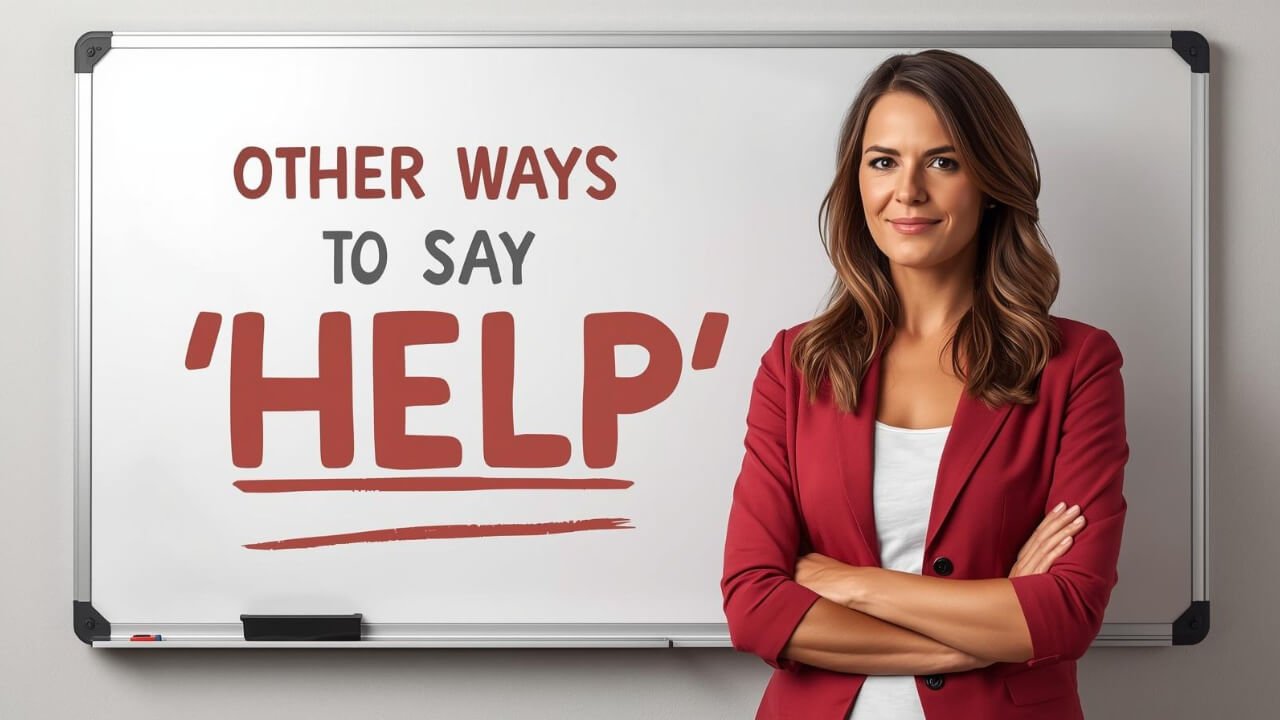
Finding other ways to say help can improve your vocabulary, communication style, writing clarity, and sentence variety. The word help is simple and useful, but it can feel repeated when used too often in emails, essays, conversations, instructions, and professional messages. Choosing the right alternative allows your words to sound more accurate, polished, and meaningful.
In daily communication, people use this word when they need support, guidance, assistance, care, service, or cooperation. A better word can change the tone of your message. For example, assist sounds professional, support feels caring, and guide suggests direction.
Strong word choice helps readers understand your exact meaning. Whether you are asking someone to solve a problem, give advice, complete a task, or provide emotional support, the right expression makes your message clearer and more natural.
Table of Contents
ToggleWhat Does “Help” Mean?
Help means to make something easier for someone by offering support, aid, assistance, guidance, relief, or encouragement. It can refer to physical action, emotional care, practical service, advice, or problem solving.
In language, this word works as both a verb and a noun. You can help a person, ask for help, give help, need help, or offer help. Its meaning changes slightly depending on context, tone, and purpose.
Common Situations Where “Help” Is Used
The word help appears in many everyday and formal situations because it covers many kinds of support.
• When asking someone for assistance
• When offering support during a difficult time
• When explaining teamwork or cooperation
• When giving directions or guidance
• When requesting service or information
• When describing emotional care
• When solving a problem or completing a task
Is It Professional or Polite to Say “Help”?
Yes, help is both professional and polite when used correctly. It is clear, direct, and easy to understand. However, in formal writing, alternatives like assist, support, guide, facilitate, or provide assistance can sound more refined.
For casual speech, help is natural and friendly. For professional emails, phrases such as “Could you assist me” or “I would appreciate your support” often sound more respectful and polished.
Pros and Cons
Pros
It is a clear and simple word that almost everyone understands.
It works in formal, friendly, and everyday communication.
It can describe many types of support, from tasks to emotions.
It makes requests feel direct and easy to follow.
Cons
It can sound too basic in formal writing.
It may feel repetitive if used many times.
It does not always show the exact type of support needed.
It can sound blunt if the sentence lacks polite wording.
“Help” Synonyms:

Explore these meaningful alternatives to “help”:
• Assist
• Support
• Aid
• Guide
• Serve
• Back
• Encourage
• Advise
• Rescue
• Relieve
• Benefit
• Facilitate
• Contribute
• Cooperate
• Collaborate
• Strengthen
• Improve
• Sustain
• Protect
• Comfort
• Care for
• Stand by
• Lend a hand
• Give assistance
• Offer support
• Provide guidance
• Give direction
• Make easier
• Ease
• Assist with
• Work with
• Take care of
• Give a boost
• Be of service
• Come to someone’s aid
Assist
Meaning: To give practical or professional help.
Explanation: Assist sounds polished and is useful in formal messages.
Example: “Could you assist me with this document?”
Best Use: Professional requests.
Worst Use: Very casual chats.
Tone: Formal and polite
Support
Meaning: To help someone with care, strength, or resources.
Explanation: Support works for emotional, practical, and professional situations.
Example: “Your support made the project easier.”
Best Use: Work, family, and personal messages.
Worst Use: Very small actions.
Tone: Caring and respectful
Aid
Meaning: To provide needed help.
Explanation: Aid sounds serious and often relates to important needs.
Example: “The team offered aid during the emergency.”
Best Use: Serious or formal situations.
Worst Use: Light conversation.
Tone: Formal
Guide
Meaning: To help someone by giving direction.
Explanation: Guide is best when advice or instruction is involved.
Example: “The teacher guided the students through the lesson.”
Best Use: Learning and advice.
Worst Use: Physical tasks only.
Tone: Helpful and instructive
Serve
Meaning: To help by doing something useful for others.
Explanation: Serve carries a sense of duty, care, and usefulness.
Example: “Her work served the whole community.”
Best Use: Service and responsibility.
Worst Use: Personal favors.
Tone: Respectful
Back
Meaning: To support someone’s decision or action.
Explanation: Back is useful when standing behind someone.
Example: “I will back your plan.”
Best Use: Agreement and loyalty.
Worst Use: Formal reports.
Tone: Direct and supportive
Encourage
Meaning: To help someone feel confident.
Explanation: Encourage focuses on emotional strength and motivation.
Example: “Her words encouraged me to continue.”
Best Use: Motivation and emotional support.
Worst Use: Technical tasks.
Tone: Positive
Advise
Meaning: To help through suggestions or knowledge.
Explanation: Advise is used when giving useful direction.
Example: “Please advise me on the next step.”
Best Use: Formal guidance.
Worst Use: Physical support.
Tone: Professional
Rescue
Meaning: To save someone from danger or trouble.
Explanation: Rescue suggests urgent or serious help.
Example: “The quick action rescued the plan.”
Best Use: Emergencies or strong descriptions.
Worst Use: Simple tasks.
Tone: Urgent
Relieve
Meaning: To reduce pressure, pain, or difficulty.
Explanation: Relieve is useful when help removes stress or discomfort.
Example: “The update relieved my concerns.”
Best Use: Stress, pain, or worry.
Worst Use: General requests.
Tone: Calm and reassuring
Benefit
Meaning: To help by creating a positive result.
Explanation: Benefit shows that something improves a situation.
Example: “This change will benefit the entire team.”
Best Use: Results and advantages.
Worst Use: Direct requests.
Tone: Formal and positive
Read Also:
Other Ways to Say “I Hope You’re Doing Well”

Facilitate
Meaning: To make a process easier.
Explanation: Facilitate is strong for professional and organized tasks.
Example: “These tools facilitate better communication.”
Best Use: Business and process writing.
Worst Use: Casual speech.
Tone: Formal
Contribute
Meaning: To help by giving effort, ideas, or resources.
Explanation: Contribute highlights shared work.
Example: “Everyone contributed to the final result.”
Best Use: Teamwork.
Worst Use: One person doing everything.
Tone: Cooperative
Cooperate
Meaning: To work with others to help reach a goal.
Explanation: Cooperate focuses on shared effort and agreement.
Example: “Please cooperate with the instructions.”
Best Use: Group tasks.
Worst Use: Emotional comfort.
Tone: Formal and direct
Collaborate
Meaning: To help by working together.
Explanation: Collaborate is useful when people share ideas and effort.
Example: “They collaborated on the assignment.”
Best Use: Creative or work projects.
Worst Use: One sided help.
Tone: Professional
Strengthen
Meaning: To help make something stronger.
Explanation: Strengthen fits ideas, skills, relationships, or systems.
Example: “Practice can strengthen your writing.”
Best Use: Improvement topics.
Worst Use: Simple favors.
Tone: Positive
Improve
Meaning: To help make something better.
Explanation: Improve focuses on progress and better results.
Example: “This method can improve your confidence.”
Best Use: Growth and learning.
Worst Use: Emergency help.
Tone: Practical
Sustain
Meaning: To help keep something going.
Explanation: Sustain is useful for long term support.
Example: “Regular effort sustains progress.”
Best Use: Ongoing care or support.
Worst Use: Quick tasks.
Tone: Formal
Protect
Meaning: To help by keeping someone safe.
Explanation: Protect works when safety or prevention matters.
Example: “Good habits protect your health.”
Best Use: Safety and care.
Worst Use: General advice.
Tone: Serious
Comfort
Meaning: To help someone feel calmer.
Explanation: Comfort focuses on emotional care.
Example: “Her message comforted him during a hard day.”
Best Use: Sad or stressful situations.
Worst Use: Work instructions.
Tone: Gentle
Care for
Meaning: To help by looking after someone.
Explanation: Care for sounds warm and personal.
Example: “She cared for her younger sister.”
Best Use: Family and personal care.
Worst Use: Formal reports.
Tone: Kind
Stand By
Meaning: To support someone during difficulty.
Explanation: Stand by shows loyalty and emotional strength.
Example: “True friends stand by each other.”
Best Use: Personal support.
Worst Use: Technical writing.
Tone: Loyal
Lend a Hand
Meaning: To give practical help.
Explanation: This phrase sounds friendly and natural.
Example: “Can you lend a hand with these boxes?”
Best Use: Casual requests.
Worst Use: Formal documents.
Tone: Friendly
Give Assistance
Meaning: To provide help.
Explanation: This phrase is clear and polite.
Example: “The staff will give assistance when needed.”
Best Use: Formal service language.
Worst Use: Close personal chats.
Tone: Professional
Offer Support
Meaning: To show willingness to help.
Explanation: This phrase sounds thoughtful and respectful.
Example: “I want to offer support during this process.”
Best Use: Caring or professional messages.
Worst Use: Quick commands.
Tone: Respectful
Provide Guidance
Meaning: To help through advice or direction.
Explanation: This phrase is useful when someone needs clarity.
Example: “Please provide guidance on the next stage.”
Best Use: Learning and workplace messages.
Worst Use: Physical help.
Tone: Formal
Give Direction
Meaning: To help someone know what to do.
Explanation: This works when steps or instructions are needed.
Example: “The manager gave direction to the team.”
Best Use: Planning and leadership.
Worst Use: Emotional support.
Tone: Clear
Make Easier
Meaning: To reduce difficulty.
Explanation: This phrase explains the result of help in simple words.
Example: “Your advice made the task easier.”
Best Use: Everyday writing.
Worst Use: Very formal writing.
Tone: Simple
Ease
Meaning: To lessen pain, stress, or difficulty.
Explanation: Ease is useful when help brings relief.
Example: “The explanation eased my confusion.”
Best Use: Stress or problems.
Worst Use: Team tasks.
Tone: Calm
Assist With
Meaning: To help someone complete a task.
Explanation: This phrase is practical and clear.
Example: “I can assist with the preparation.”
Best Use: Work and service messages.
Worst Use: Emotional topics.
Tone: Professional
Work With
Meaning: To help through shared effort.
Explanation: This phrase feels cooperative and respectful.
Example: “I will work with you to finish it.”
Best Use: Team settings.
Worst Use: Urgent rescue.
Tone: Cooperative
Take Care Of
Meaning: To handle or manage something for someone.
Explanation: This phrase shows responsibility.
Example: “I will take care of the final details.”
Best Use: Tasks and duties.
Worst Use: Academic essays.
Tone: Reassuring
Give a Boost
Meaning: To help improve energy, progress, or confidence.
Explanation: This phrase sounds encouraging and lively.
Example: “Your feedback gave my confidence a boost.”
Best Use: Motivation.
Worst Use: Serious reports.
Tone: Upbeat
Be of Service
Meaning: To help in a respectful way.
Explanation: This phrase sounds polite and service minded.
Example: “I am glad to be of service.”
Best Use: Formal offers.
Worst Use: Casual texting.
Tone: Courteous
Come to Someone’s Aid
Meaning: To help someone in need.
Explanation: This phrase suggests timely and meaningful support.
Example: “Her friends came to her aid.”
Best Use: Difficult situations.
Worst Use: Small favors.
Tone: Serious and supportive
Conclusion
Using different ways to say help makes your writing, speaking, and message tone more accurate. Each alternative carries a slightly different meaning, so choosing carefully helps you express support, guidance, care, or cooperation with better clarity.
The best word depends on the situation, relationship, and level of formality. Simple words work well in daily conversation, while polished terms improve professional communication. With the right vocabulary, your message becomes more thoughtful, respectful, and effective.
FAQs
What is a professional way to say help?
A professional way to say help is assist because it sounds polite, clear, and suitable for formal communication.
What is a caring alternative to help?
A caring alternative is support because it can express emotional, practical, or personal care.
Can I use help in formal writing?
Yes, help can be used in formal writing, but words like assist, facilitate, or provide guidance may sound more refined.
What is a casual phrase for help?
A casual phrase is lend a hand because it sounds friendly and natural in everyday conversation.
How do I choose the right synonym for help?
Choose the synonym based on context, tone, purpose, and the type of support being described.