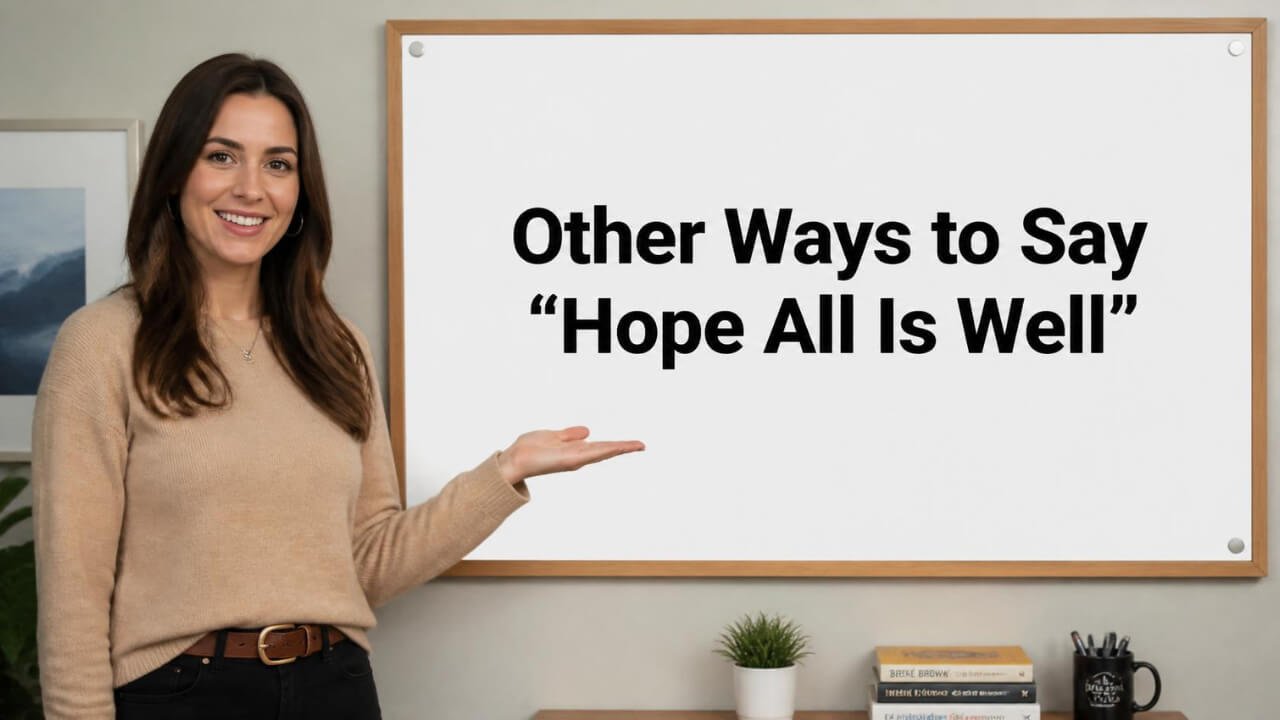

Using other ways to say hope all is well can make your greetings sound more personal, thoughtful, and appropriate for different relationships. The phrase is commonly used at the beginning of a message to express goodwill, concern, warmth, or professional courtesy before discussing the main subject.
Although “hope all is well” is polite, frequent use can make it feel automatic. Alternatives such as I hope you are doing well, I trust everything is going smoothly, and I hope life is treating you kindly allow you to match the greeting with the reader’s circumstances, your relationship, and the overall tone of the conversation.
What Does “Hope All Is Well” Mean?
“Hope all is well” means that you wish another person good health, happiness, safety, and stability. It shows that you care about their general wellbeing, even when you do not know the exact details of their current situation.
The phrase often works as a gentle opening before a request, update, invitation, or personal message. It creates a respectful transition and makes the communication feel less abrupt.
Common Situations Where “Hope All Is Well” Is Used
This greeting appears in both personal and professional communication. It is especially useful when some time has passed since the last conversation or when the sender wants to begin with a considerate tone.
Common situations include:
- Beginning a professional message.
- Reconnecting after a long period.
- Asking for an update.
Is It Professional or Polite to Say “Hope All Is Well”?
Yes, “hope all is well” is both polite and professional. It is suitable for workplace communication, formal messages, friendly conversations, and personal check ins.
However, it may sound generic if used repeatedly. A more specific greeting can feel more sincere. For example, “I hope your week is going smoothly” sounds more natural when contacting someone during a busy work period.
Professional alternatives include “I trust you are doing well,” “I hope everything is progressing smoothly,” and “I hope this message finds you well.”
Pros and Cons
Pros
The phrase creates a warm opening and shows courtesy, empathy, and positive intention. It can soften a request and help maintain a respectful relationship.
It is also broad enough to use when you do not know much about the recipient’s current circumstances.
Cons
“Hope all is well” may sound repetitive, impersonal, or automatic when it appears in every message. It can also feel inappropriate if the recipient is known to be experiencing a serious difficulty.
A more thoughtful alternative should reflect the situation and the relationship.
“Hope All Is Well” Synonyms
Explore these thoughtful alternatives to “hope all is well”:
- I hope you are doing well
- I trust you are well
- I hope everything is going smoothly
- I hope you are keeping well
- I hope life is treating you kindly
- I hope your week is going well
- I hope your day is going smoothly
- I trust everything is fine
- I hope you are in good spirits
- I hope you have been well
- I hope things are going well for you
- I hope you are feeling good
- I hope you are having a pleasant day
- I trust you are doing well
- I hope all is going smoothly
- I hope you and your family are well
- I hope you are staying healthy
- I hope everything is working out
- I hope your plans are progressing well
- I hope you are having a productive week
- I hope you are enjoying your day
- I hope you have had a good start to the week
- I trust life is going well
- I hope you are managing well
- I hope your days have been peaceful
- I hope you are feeling positive
- I hope everything is in order
- I hope you are having a good month
- I hope your work is going well
- I hope you are finding time to rest
- I hope you are surrounded by good things
- I hope you are doing well these days
- I hope you have been keeping busy in a good way
- I hope this message finds you well
- Wishing you continued wellbeing
I Hope You Are Doing Well
Meaning: I hope your life and health are currently positive.
Explanation: This is one of the most natural and flexible alternatives. It works in both personal and professional communication.
Example: “I hope you are doing well and enjoying the new season.”
Best Use: General greetings and routine messages.
Worst Use: Situations requiring a more personal expression.
Tone: Warm and neutral.
I Trust You Are Well
Meaning: I believe that you are healthy and doing fine.
Explanation: This phrase sounds slightly more formal and confident than “I hope you are well.”
Example: “I trust you are well and that your recent plans have been successful.”
Best Use: Formal correspondence and professional greetings.
Worst Use: Deeply emotional conversations.
Tone: Polished and respectful.
I Hope Everything Is Going Smoothly
Meaning: I hope your current activities are progressing without difficulty.
Explanation: This expression is useful when the recipient is managing a project, transition, or important responsibility.
Example: “I hope everything is going smoothly with the upcoming event.”
Best Use: Projects and changing circumstances.
Worst Use: Situations unrelated to progress.
Tone: Supportive and professional.
I Hope You Are Keeping Well
Meaning: I hope you continue to be healthy and comfortable.
Explanation: This traditional phrase places gentle attention on health and general wellbeing.
Example: “I hope you are keeping well during this busy time.”
Best Use: Polite personal and formal messages.
Worst Use: Highly casual conversations.
Tone: Caring and traditional.
I Hope Life Is Treating You Kindly
Meaning: I hope your recent experiences have been positive and peaceful.
Explanation: This expression feels more personal and emotionally thoughtful than a standard greeting.
Example: “I hope life is treating you kindly and bringing you new opportunities.”
Best Use: Friends, relatives, and meaningful reconnections.
Worst Use: Strictly formal requests.
Tone: Gentle and heartfelt.
I Hope Your Week Is Going Well
Meaning: I hope the current week has been positive.
Explanation: This greeting adds useful time context and feels less automatic than a general phrase.
Example: “I hope your week is going well and that your workload remains manageable.”
Best Use: Messages sent during the working week.
Worst Use: Messages sent at the very beginning of the week.
Tone: Friendly and relevant.
I Hope Your Day Is Going Smoothly
Meaning: I hope your current day is peaceful and productive.
Explanation: This phrase works well for messages sent during daytime hours.
Example: “I hope your day is going smoothly despite the busy schedule.”
Best Use: Same day communication.
Worst Use: Messages likely to be read much later.
Tone: Considerate and timely.
I Trust Everything Is Fine
Meaning: I believe that your current situation is satisfactory.
Explanation: This wording is concise and formal, although it can sound slightly distant.
Example: “I trust everything is fine and that the arrangements remain unchanged.”
Best Use: Formal updates and routine correspondence.
Worst Use: Sensitive personal circumstances.
Tone: Formal and controlled.
I Hope You Are in Good Spirits
Meaning: I hope you are feeling cheerful and emotionally positive.
Explanation: This phrase focuses on mood and emotional wellbeing rather than practical circumstances.
Example: “I hope you are in good spirits as the weekend approaches.”
Best Use: Friendly messages and supportive greetings.
Worst Use: Serious professional notices.
Tone: Cheerful and caring.
I Hope You Have Been Well
Meaning: I hope your health and circumstances have been positive recently.
Explanation: This alternative is especially useful when some time has passed since the last conversation.
Example: “I hope you have been well since we last spoke.”
Best Use: Reconnecting after a pause.
Worst Use: Daily communication.
Tone: Warm and reflective.
I Hope Things Are Going Well for You
Meaning: I hope your personal or professional life is progressing positively.
Explanation: This phrase sounds natural and leaves room for many different circumstances.
Example: “I hope things are going well for you in your new role.”
Best Use: General updates and personal messages.
Worst Use: Formal legal correspondence.
Tone: Friendly and supportive.
I Hope You Are Feeling Good
Meaning: I hope you are physically and emotionally comfortable.
Explanation: This expression sounds more personal and direct than a formal greeting.
Example: “I hope you are feeling good and getting enough rest.”
Best Use: Friends, relatives, and health related conversations.
Worst Use: Reserved professional communication.
Tone: Caring and informal.
I Hope You Are Having a Pleasant Day
Meaning: I hope your day is enjoyable and calm.
Explanation: This courteous greeting works well before a polite request or formal message.
Example: “I hope you are having a pleasant day. I am writing to confirm the appointment.”
Best Use: Professional and customer focused communication.
Worst Use: Emotional personal messages.
Tone: Courteous and polished.
Read Also:
Other Ways to Say “Grandma”

I Trust You Are Doing Well
Meaning: I believe you are currently doing fine.
Explanation: This phrase combines professionalism with a small amount of warmth.
Example: “I trust you are doing well and making good progress with the review.”
Best Use: Formal workplace messages.
Worst Use: Close personal relationships.
Tone: Professional and composed.
I Hope All Is Going Smoothly
Meaning: I hope current plans and responsibilities are progressing without problems.
Explanation: This phrase closely matches the original meaning while adding a sense of movement.
Example: “I hope all is going smoothly with the preparations.”
Best Use: Planning and project communication.
Worst Use: Messages unrelated to ongoing activity.
Tone: Reassuring and practical.
I Hope You and Your Family Are Well
Meaning: I wish good health and happiness for you and your family.
Explanation: This greeting includes the recipient’s loved ones and adds emotional warmth.
Example: “I hope you and your family are well and enjoying some peaceful time together.”
Best Use: Personal relationships and family centered communication.
Worst Use: When family circumstances are unknown.
Tone: Warm and considerate.
I Hope You Are Staying Healthy
Meaning: I hope you continue to enjoy good health.
Explanation: This phrase places clear emphasis on physical wellbeing.
Example: “I hope you are staying healthy and taking proper care of yourself.”
Best Use: Health related periods and personal messages.
Worst Use: Routine formal correspondence.
Tone: Caring and sincere.
I Hope Everything Is Working Out
Meaning: I hope your plans or difficulties are reaching a positive result.
Explanation: This wording is useful when the recipient has been dealing with a change or challenge.
Example: “I hope everything is working out with the new living arrangements.”
Best Use: Transitions and personal changes.
Worst Use: Situations where no challenge exists.
Tone: Supportive and hopeful.
I Hope Your Plans Are Progressing Well
Meaning: I hope your preparations are moving forward successfully.
Explanation: This alternative focuses clearly on development and achievement.
Example: “I hope your plans are progressing well ahead of the final deadline.”
Best Use: Events, projects, and future goals.
Worst Use: Casual wellbeing checks.
Tone: Professional and encouraging.
I Hope You Are Having a Productive Week
Meaning: I hope your week has included useful progress.
Explanation: This phrase suits professional communication without sounding overly formal.
Example: “I hope you are having a productive week and meeting your current goals.”
Best Use: Workplace and academic messages.
Worst Use: Rest periods or holidays.
Tone: Positive and work focused.
I Hope You Are Enjoying Your Day
Meaning: I hope the day is pleasant for you.
Explanation: This greeting feels light, friendly, and suitable for informal communication.
Example: “I hope you are enjoying your day and finding time for yourself.”
Best Use: Friendly daytime messages.
Worst Use: Serious complaints or formal notices.
Tone: Cheerful and relaxed.
I Hope You Have Had a Good Start to the Week
Meaning: I hope the first part of your week has gone positively.
Explanation: This phrase feels specific and natural when used early in the week.
Example: “I hope you have had a good start to the week and that everything remains on schedule.”
Best Use: Early week communication.
Worst Use: Messages sent near the weekend.
Tone: Friendly and timely.
I Trust Life Is Going Well
Meaning: I believe your general circumstances are positive.
Explanation: This broad expression sounds calm and slightly reflective.
Example: “I trust life is going well and that you are enjoying your current routine.”
Best Use: Reconnecting with previous contacts.
Worst Use: Urgent business messages.
Tone: Thoughtful and composed.
I Hope You Are Managing Well
Meaning: I hope you are handling your current responsibilities or challenges successfully.
Explanation: This phrase acknowledges that life may be demanding without making assumptions.
Example: “I hope you are managing well during this particularly busy period.”
Best Use: Stressful or demanding circumstances.
Worst Use: Celebratory messages.
Tone: Empathetic and supportive.
I Hope Your Days Have Been Peaceful
Meaning: I hope your recent life has felt calm and comfortable.
Explanation: This alternative carries a softer and more emotional tone.
Example: “I hope your days have been peaceful and filled with small moments of happiness.”
Best Use: Personal notes and meaningful greetings.
Worst Use: Short professional requests.
Tone: Gentle and reflective.
I Hope You Are Feeling Positive
Meaning: I hope you currently have an optimistic emotional outlook.
Explanation: This phrase focuses on confidence, motivation, and emotional energy.
Example: “I hope you are feeling positive about the opportunities ahead.”
Best Use: Encouragement and new beginnings.
Worst Use: Situations involving grief or serious distress.
Tone: Uplifting and hopeful.
I Hope Everything Is in Order
Meaning: I hope all arrangements and responsibilities are properly organized.
Explanation: This expression sounds formal and practical rather than emotional.
Example: “I hope everything is in order for tomorrow’s review.”
Best Use: Administrative and professional communication.
Worst Use: Close personal conversations.
Tone: Formal and efficient.
I Hope You Are Having a Good Month
Meaning: I hope the current month has been positive overall.
Explanation: This greeting works when communication is less frequent.
Example: “I hope you are having a good month and enjoying steady progress.”
Best Use: Monthly check ins and occasional messages.
Worst Use: Daily exchanges.
Tone: Friendly and broad.
I Hope Your Work Is Going Well
Meaning: I hope your professional responsibilities are progressing positively.
Explanation: This phrase adds specific attention to the recipient’s work life.
Example: “I hope your work is going well and that the current project is rewarding.”
Best Use: Colleagues and professional contacts.
Worst Use: People whose work circumstances are unknown.
Tone: Interested and professional.
I Hope You Are Finding Time to Rest
Meaning: I hope you are balancing responsibilities with proper rest.
Explanation: This expression shows concern for wellbeing and healthy routines.
Example: “I hope you are finding time to rest during this demanding season.”
Best Use: Busy or stressed recipients.
Worst Use: Formal first contact.
Tone: Caring and personal.
I Hope You Are Surrounded by Good Things
Meaning: I hope your life contains positive people and experiences.
Explanation: This phrase sounds affectionate, optimistic, and emotionally generous.
Example: “I hope you are surrounded by good things and meaningful moments.”
Best Use: Personal notes and warm greetings.
Worst Use: Strict professional communication.
Tone: Heartfelt and uplifting.
I Hope You Are Doing Well These Days
Meaning: I hope your recent life has been generally positive.
Explanation: This greeting sounds conversational and works well after a period without communication.
Example: “I hope you are doing well these days and settling into your new routine.”
Best Use: Reconnections and casual updates.
Worst Use: Formal notices.
Tone: Natural and friendly.
I Hope You Have Been Keeping Busy in a Good Way
Meaning: I hope your recent activities have been productive and enjoyable.
Explanation: This phrase adds personality and works well with familiar contacts.
Example: “I hope you have been keeping busy in a good way and enjoying your new interests.”
Best Use: Friends and long term acquaintances.
Worst Use: Serious or formal situations.
Tone: Light and conversational.
I Hope This Message Finds You Well
Meaning: I hope you are well when you receive this message.
Explanation: This is a traditional opening used in formal written communication.
Example: “I hope this message finds you well. I am writing regarding the updated schedule.”
Best Use: Formal correspondence and first contact.
Worst Use: Frequent casual messages.
Tone: Polished and conventional.
Wishing You Continued Wellbeing
Meaning: I hope your health and happiness continue.
Explanation: This phrase works as either a greeting or closing and carries a respectful sense of goodwill.
Example: “Wishing you continued wellbeing as you begin this new chapter.”
Best Use: Formal good wishes and thoughtful messages.
Worst Use: Quick everyday conversations.
Tone: Respectful and sincere.
Conclusion
Choosing a fresh alternative to hope all is well can make a greeting feel more sincere and connected to the reader’s situation. I hope your week is going well adds time context, while I hope you are managing well expresses empathy during a demanding period.
The strongest greeting is one that fits the relationship, timing, and purpose of the message. A specific and thoughtful opening can create warmth, support respectful communication, and help the rest of the conversation begin naturally.
FAQs
What is another way to say “hope all is well”?
You can say “I hope you are doing well,” “I trust you are well,” “I hope everything is going smoothly,” or “I hope you have been well.”
What is a professional alternative to “hope all is well”?
Professional options include “I trust you are doing well,” “I hope this message finds you well,” and “I hope everything is progressing smoothly.”
Is “hope all is well” polite?
Yes, it is a polite and widely accepted greeting. However, more specific wording can make the message feel less automatic.
How can I make the greeting sound more personal?
Mention the recipient’s week, work, family, health, or recent plans. Specific context shows genuine attention and care.
Can I use “hope all is well” after a long time?
Yes, but “I hope you have been well” or “I hope you are doing well these days” may sound more natural after a long period without contact.