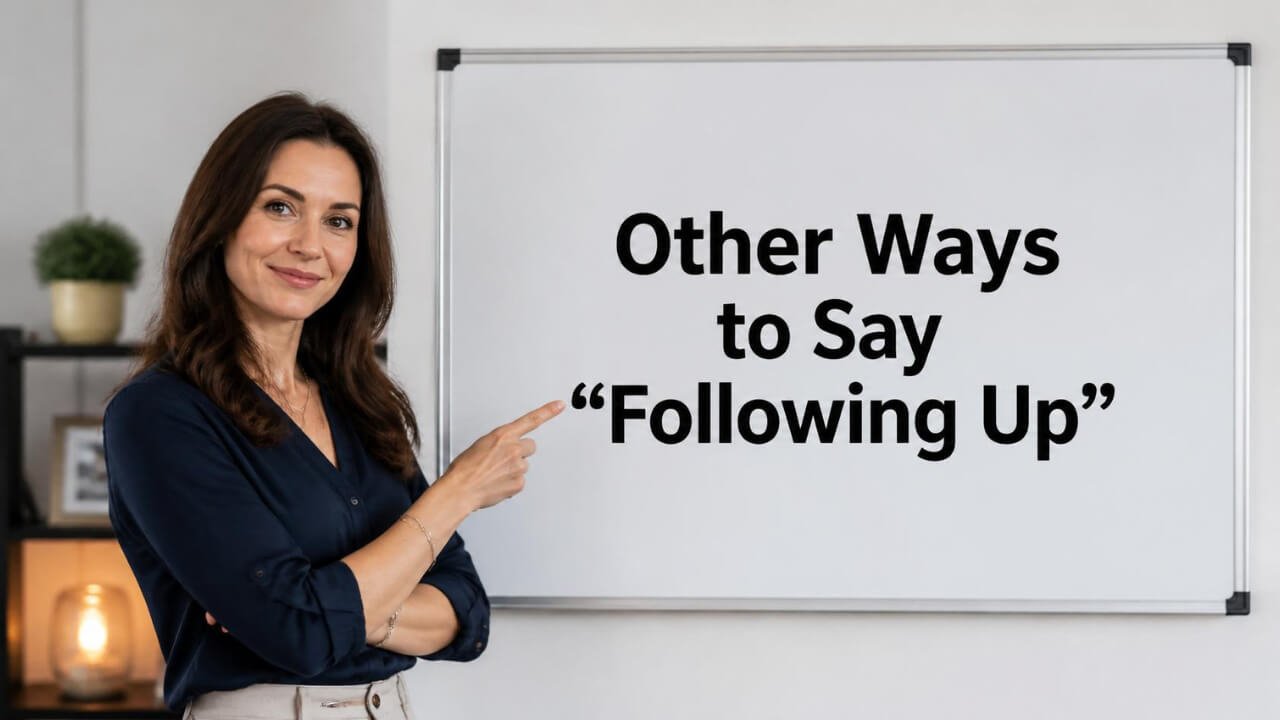

Learning other ways to say following up can make your professional communication, reminders, requests, and everyday conversations sound more natural. “Following up” usually means contacting someone again after an earlier message, meeting, application, request, or discussion to ask for information, confirm progress, or continue the conversation.
Although the phrase is clear and polite, using it repeatedly can make your writing sound predictable. Alternatives such as checking in, seeking an update, reconnecting, and confirming the status allow you to match the wording with the situation, level of urgency, and relationship with the recipient.
What Does “Following Up” Mean?
“Following up” means returning to a previous conversation, request, responsibility, or unfinished matter. The purpose is often to receive an answer, check progress, provide additional information, confirm an arrangement, or remind someone about an expected action.
A thoughtful follow up demonstrates organization, responsibility, and continued interest. However, it should clearly explain the subject and remain respectful of the other person’s time.
Common Situations Where “Following Up” Is Used
People use this phrase when an earlier interaction requires another response or action. It helps maintain communication, prevent misunderstandings, and keep tasks moving forward.
Common situations include:
- Asking about the progress of a job application.
- Requesting feedback on a report or proposal.
- Confirming that a document was received.
Is It Professional and Polite to Say “Following Up”?
Yes, “following up” is professional and polite when the message is clear, respectful, and sent after a reasonable amount of time. It is suitable for workplace communication, formal requests, applications, academic correspondence, and project discussions.
However, the phrase becomes more effective when you mention the original subject. Instead of writing, “I am following up,” you could write, “I am following up regarding the report submitted last week and would appreciate an update on its review.”
Professional alternatives include seeking an update, requesting confirmation, returning to our discussion, and checking the status.
Pros and Cons
Pros
“Following up” shows persistence, organization, and interest in completing a task or conversation. It can encourage a response, clarify expectations, and prevent important matters from being forgotten.
The phrase is also flexible. It can be used for reminders, progress checks, confirmations, feedback requests, and renewed communication.
Cons
The expression can sound repetitive when used in every message. It may also feel vague if the sender does not explain what information or action is needed.
Frequent follow ups can create unnecessary pressure. The timing, tone, and wording should always reflect the importance of the matter and the recipient’s circumstances.
“Following Up” Synonyms

Explore these meaningful alternatives to “following up”:
- Checking in
- Reaching out again
- Getting back to you
- Touching base
- Circling back
- Reconnecting
- Seeking an update
- Requesting an update
- Checking on progress
- Checking the status
- Confirming the status
- Returning to the matter
- Revisiting the discussion
- Continuing the conversation
- Renewing contact
- Asking for clarification
- Pursuing the matter
- Sending a reminder
- Requesting confirmation
- Checking for developments
- Reviewing the next steps
- Continuing our correspondence
- Returning to our discussion
- Making another inquiry
- Looking for feedback
- Checking whether you had a chance
- Confirming receipt
- Seeking further information
- Reopening the conversation
- Monitoring progress
- Touching base again
- Following the progress
- Keeping in contact
- Following through
- Staying connected
Checking In
Meaning: Contacting someone briefly to ask about progress or availability.
Explanation: This phrase sounds friendly and less formal than “following up.”
Example: “I am checking in to see whether you need any additional information.”
Best Use: Team communication and polite reminders.
Worst Use: Highly formal or legal correspondence.
Tone: Warm and approachable.
Reaching Out Again
Meaning: Contacting someone after an earlier attempt.
Explanation: It clearly shows that a previous message or conversation has already taken place.
Example: “I am reaching out again regarding the requested documents.”
Best Use: Unanswered messages and second requests.
Worst Use: Messages sent too soon after the first contact.
Tone: Polite and persistent.
Getting Back to You
Meaning: Responding after considering a request or gathering information.
Explanation: This phrase is used when the sender is providing an answer or update.
Example: “I am getting back to you with the revised schedule.”
Best Use: Responses and promised updates.
Worst Use: Situations where no earlier contact occurred.
Tone: Responsive and professional.
Touching Base
Meaning: Making brief contact to exchange information.
Explanation: It creates a relaxed and cooperative feeling.
Example: “I wanted to touch base about the project timeline.”
Best Use: Familiar colleagues and ongoing projects.
Worst Use: Official or highly formal communication.
Tone: Conversational and friendly.
Circling Back
Meaning: Returning to a topic discussed earlier.
Explanation: It helps reopen an unfinished conversation or request.
Example: “I am circling back to our discussion about the revised proposal.”
Best Use: Meetings and workplace discussions.
Worst Use: Repeated use in every message.
Tone: Professional and familiar.
Reconnecting
Meaning: Restoring communication after a period without contact.
Explanation: This expression focuses on renewing a professional relationship or conversation.
Example: “I am reconnecting to ask whether your plans have changed.”
Best Use: Long pauses and previous contacts.
Worst Use: Urgent matters requiring an immediate answer.
Tone: Friendly and positive.
Seeking an Update
Meaning: Asking for the latest information.
Explanation: This formal phrase clearly communicates the purpose of the message.
Example: “I am seeking an update regarding the application process.”
Best Use: Applications and administrative communication.
Worst Use: Relaxed personal conversations.
Tone: Formal and respectful.
Requesting an Update
Meaning: Directly asking someone to provide current information.
Explanation: It is clearer and slightly firmer than “seeking an update.”
Example: “I am requesting an update on the expected completion date.”
Best Use: Important projects and pending decisions.
Worst Use: Situations where insufficient time has passed.
Tone: Direct and professional.
Read Also:
Other Ways to Say “Attention to Detail”

Checking on Progress
Meaning: Asking how much of a task has been completed.
Explanation: This phrase focuses on development rather than the final outcome.
Example: “I am checking on progress before the upcoming deadline.”
Best Use: Projects, repairs, and assignments.
Worst Use: Questions requiring only confirmation.
Tone: Practical and attentive.
Checking the Status
Meaning: Asking where a task, request, or decision currently stands.
Explanation: It is a straightforward option for routine communication.
Example: “I am checking the status of the report submitted last week.”
Best Use: Administrative and professional requests.
Worst Use: Detailed discussions requiring explanation.
Tone: Neutral and clear.
Confirming the Status
Meaning: Verifying the present condition of a matter.
Explanation: It suggests that the sender wants to ensure existing information remains correct.
Example: “I am confirming the status before preparing the final documents.”
Best Use: Applications, payments, and approvals.
Worst Use: Casual personal arrangements.
Tone: Precise and formal.
Returning to the Matter
Meaning: Bringing attention back to an earlier issue.
Explanation: This phrase is useful when a topic was paused or left unresolved.
Example: “Returning to the matter, we still need to confirm the final date.”
Best Use: Formal discussions and meeting notes.
Worst Use: Friendly everyday messages.
Tone: Measured and focused.
Revisiting the Discussion
Meaning: Discussing an earlier subject again.
Explanation: It suggests thoughtful reconsideration rather than pressure.
Example: “I would like to revisit the discussion about the remaining responsibilities.”
Best Use: Planning and unresolved decisions.
Worst Use: Simple status requests.
Tone: Cooperative and thoughtful.
Continuing the Conversation
Meaning: Carrying an earlier exchange forward.
Explanation: This expression emphasizes dialogue and shared participation.
Example: “I am continuing the conversation so that we can finalize the details.”
Best Use: Collaborative planning and negotiations.
Worst Use: Situations without a previous discussion.
Tone: Open and constructive.
Renewing Contact
Meaning: Starting communication again after a noticeable break.
Explanation: It is often used to restore a professional connection.
Example: “I am renewing contact to discuss the earlier proposal.”
Best Use: Dormant projects and previous relationships.
Worst Use: Recent conversations.
Tone: Courteous and formal.
Asking for Clarification
Meaning: Requesting a clearer explanation.
Explanation: This phrase is useful when previous information was incomplete or confusing.
Example: “I am asking for clarification regarding the submission requirements.”
Best Use: Instructions and complex agreements.
Worst Use: Information that is already clear.
Tone: Respectful and precise.
Pursuing the Matter
Meaning: Continuing to seek action or resolution.
Explanation: This expression communicates stronger determination than a casual follow up.
Example: “I am pursuing the matter because the correction remains incomplete.”
Best Use: Unresolved complaints and serious requests.
Worst Use: Minor or recent delays.
Tone: Firm and formal.
Sending a Reminder
Meaning: Bringing an earlier responsibility or deadline back to someone’s attention.
Explanation: It is direct but can remain polite when worded carefully.
Example: “I am sending a reminder that the forms are due on Friday.”
Best Use: Deadlines and appointments.
Worst Use: Tasks that have already been confirmed.
Tone: Helpful and organized.
Requesting Confirmation
Meaning: Asking someone to verify an arrangement or piece of information.
Explanation: It helps prevent misunderstandings and creates clarity.
Example: “I am requesting confirmation of the revised meeting time.”
Best Use: Schedules, deliveries, and agreements.
Worst Use: Very casual exchanges.
Tone: Courteous and exact.
Checking for Developments
Meaning: Asking whether new information or changes have appeared.
Explanation: It works well when progress depends on external circumstances.
Example: “I am checking for developments regarding the approval process.”
Best Use: Pending decisions and changing situations.
Worst Use: Tasks with a clearly expected action.
Tone: Patient and professional.
Reviewing the Next Steps
Meaning: Examining what should happen after an earlier decision or stage.
Explanation: This phrase keeps attention on future action and responsibilities.
Example: “I am reviewing the next steps before the second phase begins.”
Best Use: Projects and post meeting communication.
Worst Use: Situations without an established plan.
Tone: Organized and forward looking.
Continuing Our Correspondence
Meaning: Carrying on an ongoing written exchange.
Explanation: This expression has a formal and traditional style.
Example: “I am continuing our correspondence regarding the requested changes.”
Best Use: Formal letters and administrative matters.
Worst Use: Short casual messages.
Tone: Formal and respectful.
Returning to Our Discussion
Meaning: Bringing a shared earlier conversation back into focus.
Explanation: It smoothly connects the current message with what was previously discussed.
Example: “Returning to our discussion, I would like to confirm your preferred option.”
Best Use: Meetings and consultations.
Worst Use: Messages to someone who was not part of the original discussion.
Tone: Polished and professional.
Making Another Inquiry
Meaning: Asking for information again.
Explanation: This formal phrase indicates that an earlier question remains unanswered.
Example: “I am making another inquiry about the expected decision date.”
Best Use: Applications and official requests.
Worst Use: Familiar workplace conversations.
Tone: Formal and persistent.
Looking for Feedback
Meaning: Requesting comments, opinions, or suggestions.
Explanation: This wording clearly tells the recipient what type of response is needed.
Example: “I am looking for feedback on the draft before finalizing it.”
Best Use: Reports, proposals, and creative work.
Worst Use: Requests for factual information.
Tone: Open and collaborative.
Checking Whether You Had a Chance
Meaning: Politely asking whether someone found time to review something.
Explanation: It acknowledges that the recipient may be busy.
Example: “I am checking whether you had a chance to review the document.”
Best Use: Gentle and nonurgent reminders.
Worst Use: Firmly overdue responsibilities.
Tone: Considerate and patient.
Confirming Receipt
Meaning: Verifying that an item, document, or message was received.
Explanation: This phrase focuses on delivery rather than progress.
Example: “I am confirming receipt of the signed agreement.”
Best Use: Documents, payments, and submissions.
Worst Use: Situations where receipt is already acknowledged.
Tone: Practical and formal.
Seeking Further Information
Meaning: Requesting additional details.
Explanation: It indicates that some information has already been provided but more is needed.
Example: “I am seeking further information about the responsibilities involved.”
Best Use: Research, applications, and agreements.
Worst Use: Simple everyday questions.
Tone: Curious and professional.
Reopening the Conversation
Meaning: Beginning an earlier discussion again.
Explanation: It is useful when new information or circumstances justify reconsideration.
Example: “I would like to reopen the conversation now that the figures have changed.”
Best Use: Revised proposals and negotiations.
Worst Use: Final decisions that cannot be changed.
Tone: Diplomatic and thoughtful.
Monitoring Progress
Meaning: Regularly observing how a task is developing.
Explanation: This phrase describes continued oversight rather than a single message.
Example: “I am monitoring progress to ensure each stage remains on schedule.”
Best Use: Management and long term projects.
Worst Use: Personal situations where it may sound controlling.
Tone: Systematic and attentive.
Touching Base Again
Meaning: Making another brief contact.
Explanation: It keeps a repeated message friendly and cooperative.
Example: “I am touching base again to see whether the schedule was approved.”
Best Use: Colleagues and low pressure reminders.
Worst Use: Urgent formal matters.
Tone: Relaxed and friendly.
Following the Progress
Meaning: Staying informed about the development of a task or process.
Explanation: It communicates continued interest without suggesting direct control.
Example: “I have been following the progress and would appreciate an update.”
Best Use: Shared projects and applications.
Worst Use: Messages without a clearly identified subject.
Tone: Neutral and attentive.
Keeping in Contact
Meaning: Maintaining communication over time.
Explanation: This phrase emphasizes an ongoing connection rather than one immediate request.
Example: “I am keeping in contact so that we can coordinate the next phase.”
Best Use: Long projects and continuing relationships.
Worst Use: Urgent requests requiring a specific answer.
Tone: Friendly and steady.
Following Through
Meaning: Completing an action or promise.
Explanation: This phrase emphasizes responsibility and completion rather than requesting an update.
Example: “I am following through on my promise to send the revised figures.”
Best Use: Commitments and promised actions.
Worst Use: Situations where another person must respond.
Tone: Dependable and purposeful.
Staying Connected
Meaning: Maintaining communication and an active relationship.
Explanation: It is broader and warmer than a direct follow up request.
Example: “I am staying connected so that we can discuss future opportunities.”
Best Use: Long term professional relationships.
Worst Use: Overdue tasks and formal complaints.
Tone: Positive and relationship focused.
Conclusion
Using alternatives to following up makes communication clearer and helps you match the wording with your purpose. Checking in sounds friendly, requesting an update is more direct, and confirming the status works well when accuracy matters. Each phrase creates a slightly different impression.
An effective follow up should mention the original request, discussion, document, or deadline. Clear context and respectful language make it easier for the recipient to understand what you need and respond without feeling pressured.
FAQs
What is another way to say “following up”?
You can say checking in, circling back, seeking an update, reaching out again, or returning to our discussion.
What is a professional alternative to “I am following up”?
You can write, “I am requesting an update,” “I am confirming the status,” or “I am returning to our earlier discussion.”
Is “checking in” professional?
Yes, “checking in” is professional in friendly workplace communication. More formal situations may require seeking an update or requesting confirmation.
How can I follow up without sounding impatient?
Allow reasonable time, explain the original subject, and use considerate wording. A phrase such as “I am checking whether you had a chance to review the document” sounds polite.
What should a follow up message include?
It should identify the earlier communication, explain the requested action, provide relevant context, and end with a courteous statement.