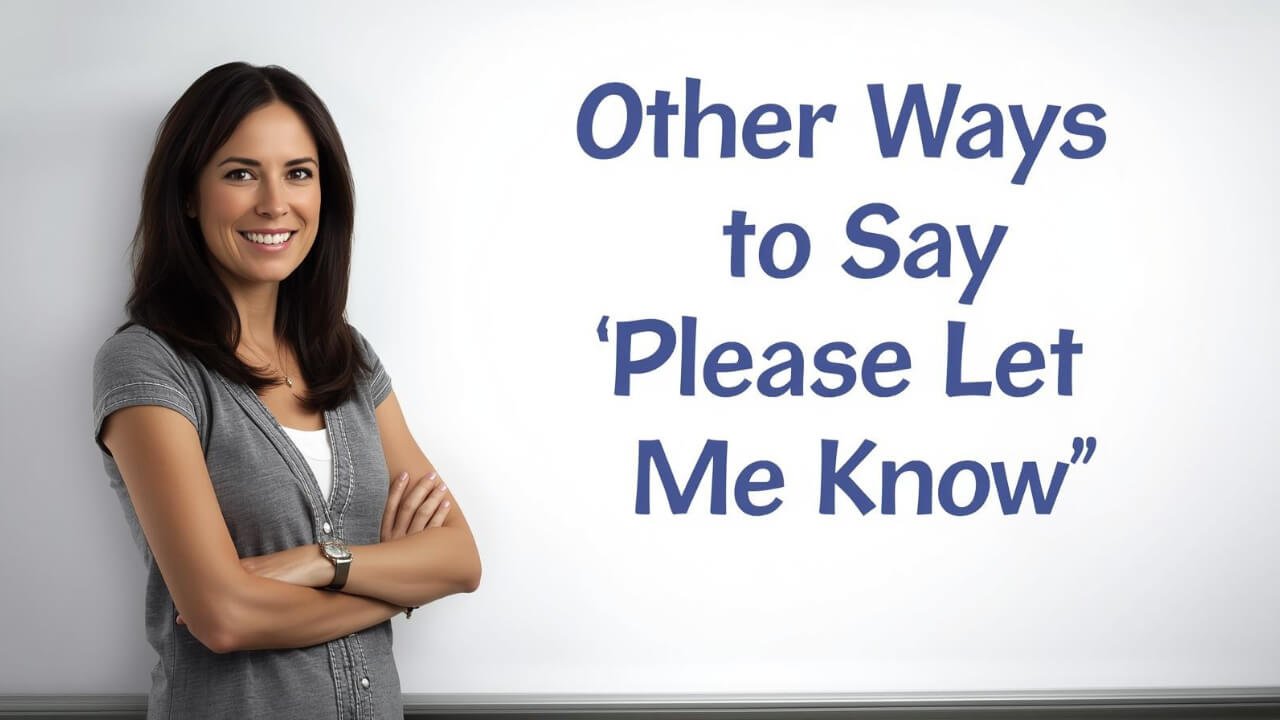

Finding other ways to say please let me know can help you sound more polished, respectful, and natural in emails, professional messages, and everyday communication. This phrase is often used when asking for feedback, confirmation, updates, opinions, or extra details. While it is clear and polite, using it repeatedly can make your writing feel predictable or too plain.
A stronger communication style depends on choosing words that match the tone, purpose, and relationship behind your message. Some alternatives sound formal and professional, while others feel warm, friendly, or direct. By using the right expression, you can make your request clear without sounding demanding, vague, or repetitive.
What Does “Please Let Me Know” Mean?
The phrase “please let me know” means that you are politely asking someone to share information, give an answer, provide an update, or confirm something. It is commonly used in workplace communication, formal writing, customer messages, and personal conversations when you need a response or clarification from another person.
Common Situations Where “Please Let Me Know” Is Used
This phrase is useful in many communication contexts, especially when a message needs a reply, decision, or helpful response.
- In professional emails to ask for feedback or confirmation.
- During workplace communication to request updates.
- In customer service messages to ask for details.
- While arranging meetings, schedules, or appointments.
- In daily conversations to request opinions or answers.
Is It Professional/Polite to Say “Please Let Me Know”?
Yes, “please let me know” is polite, professional, and widely accepted in many types of written communication. However, it can sometimes sound general or overused. Alternatives like “please inform me”, “keep me updated”, or “feel free to share your thoughts” can make your message sound more specific, polished, and suitable for the situation.
Pros and Cons
Pros
- Sounds polite and easy to understand.
- Works well in formal and casual messages.
- Helps request feedback, updates, or confirmation clearly.
Cons
- Can feel repetitive in long email threads.
- May sound too general without context.
- Sometimes needs a stronger or more specific phrase.
“Please Let Me Know” Synonyms:
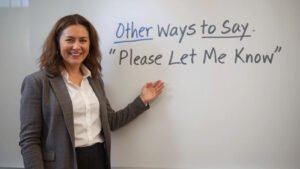
Explore these meaningful alternatives to “please let me know”:
- Please Inform Me
- Kindly Let Me Know
- Please Keep Me Updated
- Please Tell Me
- Feel Free to Let Me Know
- Please Share Your Thoughts
- Kindly Update Me
- Please Advise
- Do Let Me Know
- Please Notify Me
- Please Confirm
- Let Me Know Your Thoughts
- Please Get Back to Me
- Please Keep Me Posted
- Please Send Me an Update
- I Would Appreciate Your Feedback
- Please Share the Details
- Kindly Confirm
- Please Reach Out
- Please Give Me Your Opinion
- I Would Be Grateful to Know
- Please Make Me Aware
- Please Clarify
- Please Fill Me In
- Please Respond
- Please Update Me
- Please Tell Me Your Preference
- Please Let Me Hear From You
- Please Provide More Information
- Please Share Any Updates
- I Would Like to Know
- Please Keep Me Informed
- Please Give Me a Response
- Please Say If This Works
- Please Let Me Know Your Availability
Please Inform Me
Meaning:
Please give me the needed information.
Explanation:
Used when asking someone to provide clear details in a formal or professional way.
Example:
“Please inform me if there are any changes to the schedule.”
Best Use:
Formal emails and official messages.
Worst Use:
Very casual conversations with close friends.
Tone:
Formal, professional
Kindly Let Me Know
Meaning:
Please tell me in a polite way.
Explanation:
Used to make a request sound respectful, soft, and professional.
Example:
“Kindly let me know if you need any additional documents.”
Best Use:
Professional emails and polite requests.
Worst Use:
Very urgent or direct instructions.
Tone:
Polite, formal
Please Keep Me Updated
Meaning:
Please continue giving me new information.
Explanation:
Used when you want to receive updates as a situation changes.
Example:
“Please keep me updated on the progress of the project.”
Best Use:
Ongoing tasks, projects, and workplace communication.
Worst Use:
One time questions that need only one answer.
Tone:
Professional, clear
Please Tell Me
Meaning:
Please give me an answer or information.
Explanation:
Used as a simple and direct way to ask someone for details.
Example:
“Please tell me which option you prefer.”
Best Use:
Simple requests and everyday communication.
Worst Use:
Highly formal business writing.
Tone:
Direct, neutral
Feel Free to Let Me Know
Meaning:
You can tell me if you want or need to.
Explanation:
Used when you want to sound open, friendly, and not forceful.
Example:
“Feel free to let me know if you have any questions.”
Best Use:
Friendly emails, support messages, and casual communication.
Worst Use:
Strict deadlines or urgent matters.
Tone:
Friendly, relaxed
Please Share Your Thoughts
Meaning:
Please tell me your opinion or ideas.
Explanation:
Used when asking someone for feedback, suggestions, or personal views.
Example:
“Please share your thoughts on the new proposal.”
Best Use:
Feedback requests and collaborative discussions.
Worst Use:
Messages that need factual confirmation only.
Tone:
Polite, collaborative
Kindly Update Me
Meaning:
Please give me the latest information.
Explanation:
Used when you want someone to share the current status of a task or situation.
Example:
“Kindly update me once the review is complete.”
Best Use:
Workplace updates and formal follow ups.
Worst Use:
Casual personal conversations.
Tone:
Formal, respectful
Please Advise
Meaning:
Please give guidance, direction, or a response.
Explanation:
Used when asking someone to suggest what should be done next.
Example:
“Please advise on how we should proceed.”
Best Use:
Professional emails and decision based requests.
Worst Use:
Warm personal messages.
Tone:
Formal, concise
Read Also:
Other Ways to Say “As Soon As Possible”

Do Let Me Know
Meaning:
Please make sure to tell me.
Explanation:
Used to make a request sound polite but slightly more personal.
Example:
“Do let me know if you are available tomorrow.”
Best Use:
Polite messages and semi formal communication.
Worst Use:
Strict official notices.
Tone:
Warm, polite
Please Notify Me
Meaning:
Please officially tell me or alert me.
Explanation:
Used when asking someone to send notice about a change, update, or decision.
Example:
“Please notify me when the documents are ready.”
Best Use:
Formal requests and official updates.
Worst Use:
Friendly casual conversations.
Tone:
Formal, direct
Please Confirm
Meaning:
Please verify or give a clear answer.
Explanation:
Used when you need someone to make sure something is correct or agreed upon.
Example:
“Please confirm your attendance by Friday.”
Best Use:
Meetings, bookings, schedules, and agreements.
Worst Use:
Open ended opinion questions.
Tone:
Professional, clear
Let Me Know Your Thoughts
Meaning:
Tell me what you think.
Explanation:
Used when inviting feedback, opinions, or suggestions in a natural way.
Example:
“Let me know your thoughts after reviewing the draft.”
Best Use:
Collaborative work and informal feedback.
Worst Use:
Official instructions or strict notices.
Tone:
Conversational, polite
Please Get Back to Me
Meaning:
Please reply to me later with an answer.
Explanation:
Used when asking someone to respond after checking information or making a decision.
Example:
“Please get back to me once you have reviewed the details.”
Best Use:
Follow up emails and response requests.
Worst Use:
Highly formal documents.
Tone:
Professional, direct
Please Keep Me Posted
Meaning:
Please continue giving me updates.
Explanation:
Used when you want to know about progress or changes over time.
Example:
“Please keep me posted about the meeting outcome.”
Best Use:
Ongoing situations and friendly professional messages.
Worst Use:
Formal legal or official writing.
Tone:
Conversational, friendly
Please Send Me an Update
Meaning:
Please give me the latest information.
Explanation:
Used when requesting a status report or progress message.
Example:
“Please send me an update by the end of the day.”
Best Use:
Work tasks, projects, and deadlines.
Worst Use:
Personal emotional conversations.
Tone:
Clear, professional
I Would Appreciate Your Feedback
Meaning:
I would be thankful for your opinion or response.
Explanation:
Used when asking for comments, suggestions, or evaluation in a respectful way.
Example:
“I would appreciate your feedback on the final draft.”
Best Use:
Professional writing, reviews, and collaboration.
Worst Use:
Urgent instructions that need quick action.
Tone:
Polite, professional
Please Share the Details
Meaning:
Please provide the specific information.
Explanation:
Used when you need facts, steps, names, times, or other important details.
Example:
“Please share the details of the upcoming training session.”
Best Use:
Information requests and planning messages.
Worst Use:
General opinion based discussions.
Tone:
Clear, practical
Kindly Confirm
Meaning:
Please verify something politely.
Explanation:
Used when asking someone to confirm information, attendance, availability, or agreement.
Example:
“Kindly confirm whether the meeting time works for you.”
Best Use:
Formal emails and scheduling.
Worst Use:
Casual chats with close friends.
Tone:
Polite, formal
Please Reach Out
Meaning:
Please contact me.
Explanation:
Used when inviting someone to communicate if they need help, details, or clarification.
Example:
“Please reach out if you require any further information.”
Best Use:
Professional support and polite offers.
Worst Use:
Messages that need a direct answer immediately.
Tone:
Helpful, professional
Please Give Me Your Opinion
Meaning:
Please tell me what you think.
Explanation:
Used when asking someone for a personal view, judgment, or suggestion.
Example:
“Please give me your opinion on this design.”
Best Use:
Feedback requests and personal discussions.
Worst Use:
Strict factual questions.
Tone:
Direct, neutral
I Would Be Grateful to Know
Meaning:
I would appreciate receiving the information.
Explanation:
Used when making a very polite and respectful request for an answer.
Example:
“I would be grateful to know whether you can attend.”
Best Use:
Formal letters and respectful communication.
Worst Use:
Very casual messages.
Tone:
Formal, courteous
Please Make Me Aware
Meaning:
Please inform me about something.
Explanation:
Used when asking someone to bring information, changes, or concerns to your attention.
Example:
“Please make me aware of any issues before the deadline.”
Best Use:
Professional updates and formal reminders.
Worst Use:
Friendly everyday conversation.
Tone:
Formal, serious
Please Clarify
Meaning:
Please make something clearer.
Explanation:
Used when asking for more explanation because something is confusing or incomplete.
Example:
“Please clarify the final requirement for this task.”
Best Use:
Questions, instructions, and detailed discussions.
Worst Use:
Simple yes or no confirmations.
Tone:
Professional, direct
Please Fill Me In
Meaning:
Please give me the missing information.
Explanation:
Used when someone needs to explain what happened or provide background details.
Example:
“Please fill me in on what was discussed during the meeting.”
Best Use:
Informal workplace conversations and updates.
Worst Use:
Formal reports or official requests.
Tone:
Casual, conversational
Please Respond
Meaning:
Please reply.
Explanation:
Used when a response is needed, especially when clarity or confirmation is important.
Example:
“Please respond by Monday so we can finalize the plan.”
Best Use:
Direct emails, deadlines, and reminders.
Worst Use:
Soft or friendly requests.
Tone:
Direct, professional
Please Update Me
Meaning:
Please give me the latest status.
Explanation:
Used when asking someone to share progress, changes, or new information.
Example:
“Please update me once the task has been completed.”
Best Use:
Project communication and workplace follow ups.
Worst Use:
Personal opinion requests.
Tone:
Professional, clear
Please Tell Me Your Preference
Meaning:
Please say which option you like or choose.
Explanation:
Used when asking someone to select from choices or share what works best.
Example:
“Please tell me your preference for the meeting time.”
Best Use:
Planning, scheduling, and decision making.
Worst Use:
Urgent problem solving.
Tone:
Polite, practical
Please Let Me Hear From You
Meaning:
Please reply or contact me.
Explanation:
Used when encouraging someone to send a response or share information.
Example:
“Please let me hear from you when you have made a decision.”
Best Use:
Formal and semi formal written communication.
Worst Use:
Modern casual messages.
Tone:
Formal, gentle
Please Provide More Information
Meaning:
Please give additional details.
Explanation:
Used when the current information is not enough and more explanation is needed.
Example:
“Please provide more information about the application process.”
Best Use:
Formal questions, support messages, and detailed requests.
Worst Use:
Short friendly chats.
Tone:
Formal, clear
Please Share Any Updates
Meaning:
Please tell me if there is any new information.
Explanation:
Used when waiting for changes, progress, or new details about a matter.
Example:
“Please share any updates regarding the final approval.”
Best Use:
Follow ups and ongoing professional matters.
Worst Use:
One time simple questions.
Tone:
Professional, polite
I Would Like to Know
Meaning:
I want to receive information.
Explanation:
Used when asking a question in a direct but respectful way.
Example:
“I would like to know whether the schedule has changed.”
Best Use:
Formal questions and polite inquiries.
Worst Use:
Quick casual replies.
Tone:
Formal, neutral
Please Keep Me Informed
Meaning:
Please continue telling me important information.
Explanation:
Used when you want ongoing updates about a situation, decision, or process.
Example:
“Please keep me informed about any changes to the plan.”
Best Use:
Professional updates and long term communication.
Worst Use:
Single answer requests.
Tone:
Formal, professional
Please Give Me a Response
Meaning:
Please reply with an answer.
Explanation:
Used when you need someone to answer clearly, especially after a request or question.
Example:
“Please give me a response before the deadline.”
Best Use:
Direct reminders and deadline based messages.
Worst Use:
Very polite or delicate communication.
Tone:
Direct, firm
Please Say If This Works
Meaning:
Please tell me whether this option is suitable.
Explanation:
Used when checking if a time, plan, idea, or suggestion is acceptable.
Example:
“Please say if this works for your schedule.”
Best Use:
Scheduling and planning messages.
Worst Use:
Formal reports or official documents.
Tone:
Conversational, practical
Please Let Me Know Your Availability
Meaning:
Please tell me when you are free.
Explanation:
Used when arranging a meeting, call, appointment, or planned discussion.
Example:
“Please let me know your availability for next week.”
Best Use:
Scheduling, meetings, and professional planning.
Worst Use:
Messages unrelated to time or appointments.
Tone:
Professional, polite
Conclusion
Choosing better alternatives to “please let me know” can make your communication feel more specific, thoughtful, and professional. Each phrase carries a slightly different purpose, such as asking for confirmation, requesting feedback, inviting updates, or seeking clarification. This helps your message sound clearer and more useful to the reader.
A well chosen phrase also improves tone, reduces repetition, and makes your writing feel more natural. Whether you are sending a formal email, arranging a meeting, asking for an opinion, or following up on a task, the right wording can help you receive the response you need while keeping your message polite and complete.
FAQs
Is “please let me know” professional?
Yes, “please let me know” is professional and polite, especially in emails and workplace messages.
What is a formal alternative to “please let me know”?
“Please inform me”, “kindly confirm”, and “please keep me informed” are good formal alternatives.
Can I use “please let me know” in emails?
Yes, it works well in emails when asking for updates, confirmation, feedback, or availability.
What is a friendlier way to say it?
“Feel free to let me know” and “let me know your thoughts” sound friendly and natural.
How do I choose the best synonym?
Focus on context, tone, and whether you need feedback, confirmation, details, updates, or a direct response.